
Reading Cartagena history in the city
Cartagena history becomes easier to understand when the port, fortifications and neighbourhoods are considered together. The city’s foundation is dated to 1533. Its position as a strategic Caribbean port explains why military architecture occupies such an important place in the historic landscape. The buildings and walls are part of a history of colonial power, and their appearance is only one part of what a visit can explore.
Begin with the relationship between the Walled City and the defensive works rather than treating each monument as an isolated attraction. UNESCO describes the fortifications as an outstanding example of military architecture from the sixteenth to eighteenth centuries. Centro, San Diego and Getsemaní are distinct historic quarters within that story. A walk can connect their different settings, while a museum visit provides another way to approach the city’s past.
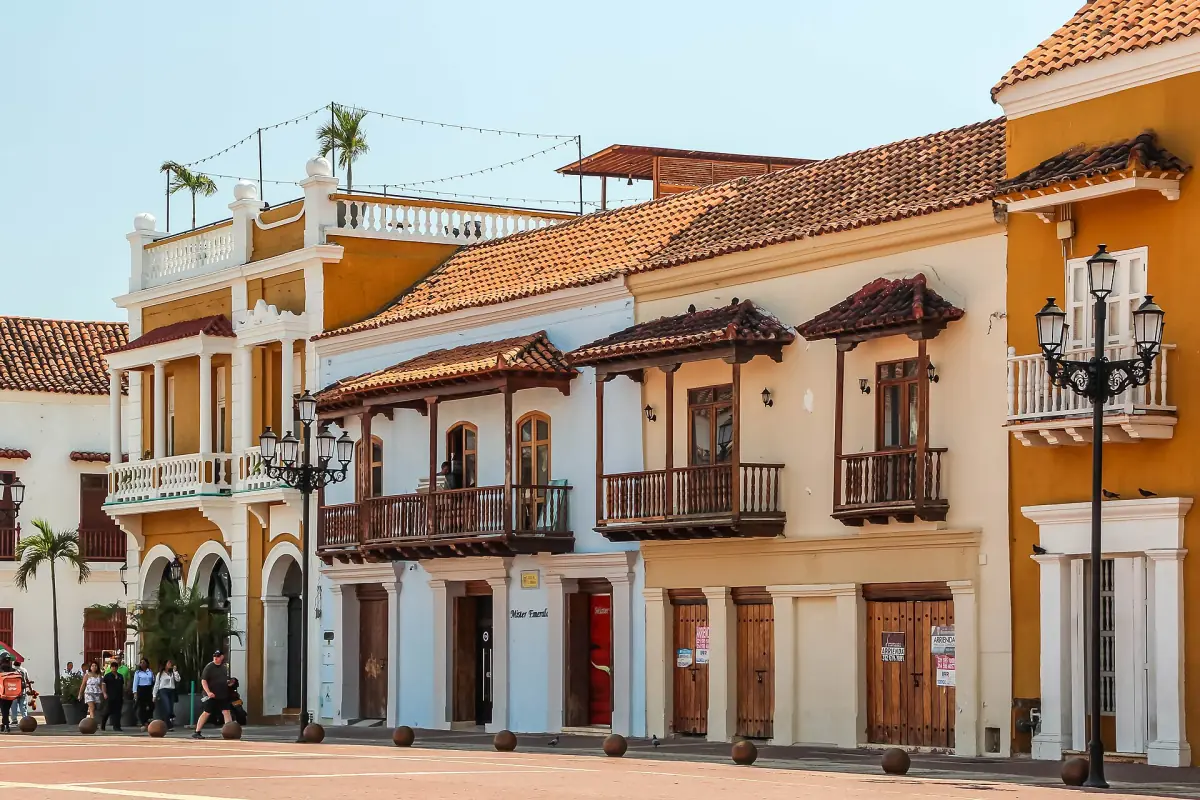
Port, colonial buildings and the fortress
In Centro, the historic ensemble includes the cathedral, the San Pedro Claver convent, the Inquisition Palace and the government palace. These buildings help place religious and administrative authority within the port city. Their inclusion in a historic overview is not an admission ticket: plan any interior visit according to that building’s own arrangements rather than applying one museum’s hours to the whole quarter.
The Castillo San Felipe de Barajas stands on Cerro de San Lázaro, and its visitor information dates its construction to 1657. See the fortress guide for the practical visit. Steep ramps, steps and potentially slippery tunnels are part of the physical experience, so keep footwear, drinking water and sun protection in the plan. Looking at a fortress’s shape and walking through it are different kinds of encounter with military history.
Explore Cartagena by bike
This bicycle experience includes a helmet and drinks.
Hand-picked tours, booked through Viator. Prices are indicative starting prices in US dollars (as of October 2026). Tap a tour for live availability and the current price in your currency.
Historical exploration with a bicycle option
The listed activity includes bicycle use, a helmet and refreshments for an outdoor approach to the city.
Exploring by bicycle or on foot
A historical activity listed with bicycle or walking options offers another way to organise a visit. The documented inclusions cover use of a bicycle, a helmet, bottled water, coffee and juice, a souvenir and hygiene supplies. Select the format that suits your plans and read the specific arrangements for your option. Museum admission should be arranged separately when you want to combine the activity with an interior visit.
For a wider comparison of guided walks, use the walking-tour page. The historical activity here should be judged by its own listed equipment and refreshments. Decide whether your priority is covering streets with a bicycle, spending time looking at buildings, or pausing inside a museum. Keeping those aims separate helps you avoid booking a programme that leaves too little room for the part of history that interests you most.
Getsemaní, artisans and enslaved people
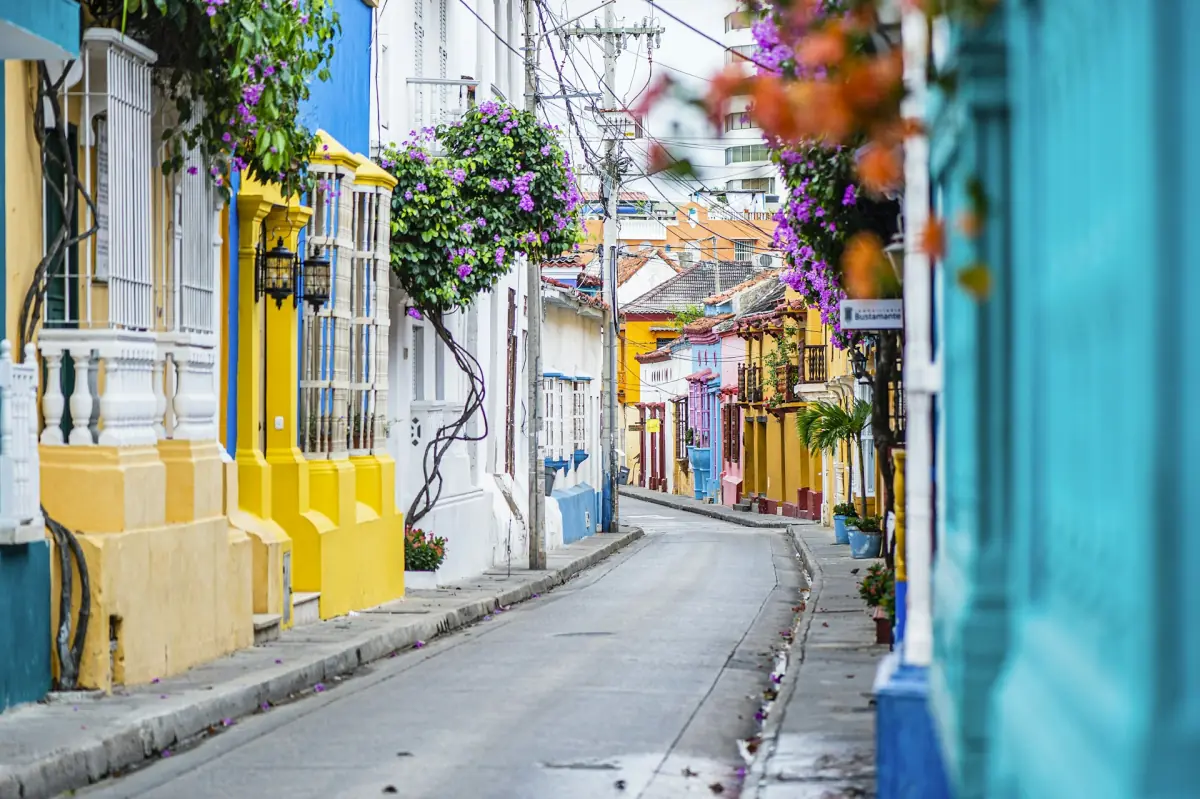
UNESCO identifies Getsemaní with the historic lives of artisans and enslaved people. The neighbourhood developed as an extension of the older centre between the late sixteenth and early seventeenth centuries, in the setting of an expanding port. This social history belongs alongside the monumental buildings: a view of colonial Cartagena centred only on attractive façades leaves out the people whose lives formed the city.
The Getsemaní guide connects a visit with the neighbourhood’s present cultural setting. Approach streets and photographs with respect for residents. For a related historical context beyond Cartagena, San Basilio de Palenque has its own Afro-Colombian cultural traditions and language. Its intangible heritage is a different designation from Cartagena’s port, fortresses and monuments, and deserves its own visit rather than a passing label.
Visiting MUHCA in the Inquisition Palace
The Museo Histórico de Cartagena occupies the Inquisition Palace on Plaza de Bolívar. Its subjects include the history of the city and the Inquisition tribunal. This makes it a focused indoor stop to pair with the buildings and streets outside. Give the museum its own space in your programme instead of treating it as an entrance to all the historic monuments.
The visitor information accessed on 2 November 2026 lists adult admission at 24,000 COP and 20,000 COP for the stated categories of children, students, teachers and older visitors. Children under five enter free. Check the applicable concession and required evidence for your party. Listed opening hours are Monday to Saturday 09:00 to 18:00, and Sundays and national observances 10:00 to 16:00. These hours apply to MUHCA itself.
World Heritage and the living city
Cartagena’s World Heritage inscription dates to 1984 and covers the port, fortresses and group of monuments. It does not designate every part of the modern city. Use that distinction when comparing a visit to the historic quarters with time in Bocagrande or elsewhere. The walls can be walked without an admission charge, but access also depends on specific events and restrictions. Consult the old-town planning details for your date and adjust the route to any affected sections.
Questions before you go
When was Cartagena founded?
The fortifications administration gives 1533 as the foundation year. Castillo San Felipe’s visitor information dates that fortress to 1657.
Is the whole modern city a World Heritage Site?
The 1984 inscription covers the port, fortresses and group of monuments. Its scope should be distinguished from the full modern city.
Where is the historical museum?
MUHCA is in the Inquisition Palace on Plaza de Bolívar. It covers city history and the Inquisition tribunal, with its own admission and visiting hours.